
In short:
Parents play a critical role in their child’s success in kids’ jiu-jitsu, often more than natural ability or athletic talent. The way you support training at home and in the gym directly affects your child’s confidence, consistency, and long-term progress. Below are the most important ways parents can actively support their child’s success in kids’ jiu-jitsu.
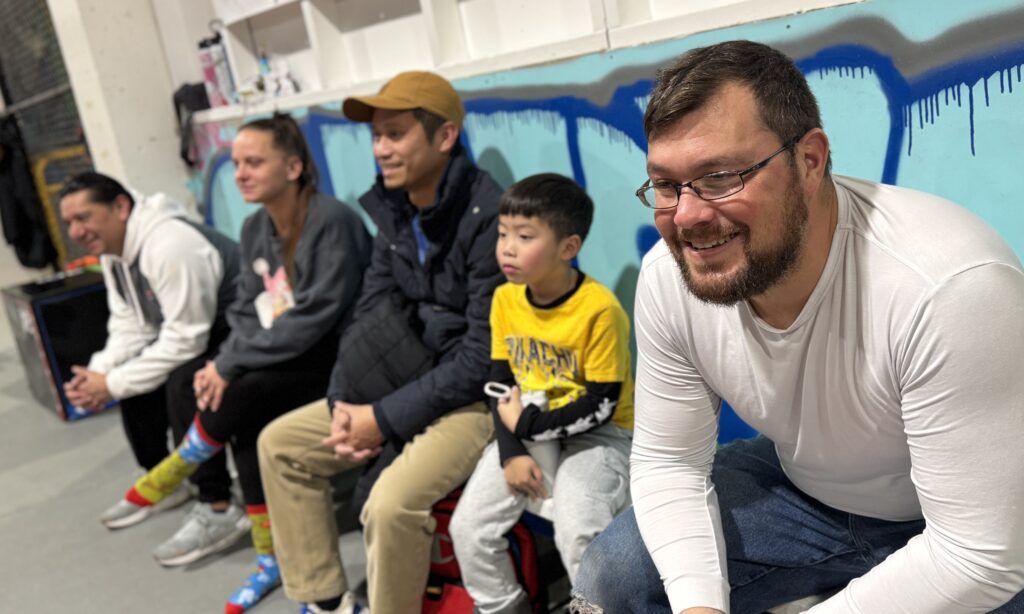
Parents Matter More Than You Think in Jiu-Jitsu
Quick Answer:
Parents support their child’s success in kids’ jiu-jitsu by reinforcing positive habits at home, encouraging consistency, respecting coaching boundaries, and focusing on long-term development over short-term performance.
In this article, you’ll learn how parents can:
- Ask better questions after jiu-jitsu class
- Support life skills development at home
- Build confidence through punctuality and routine
- Watch class in a way that actually helps learning
- Avoid sideline coaching mistakes
- Prioritize consistency over intensity
If your child struggles with focus or impulsivity (including ADHD), here’s what the research says about Jiu-Jitsu and kids with ADHD (Calgary guide).
Every week we see kids with average athletic ability progress faster than naturally talented kids, simply because their parents support the process more effectively.
Here’s what actually helps.
Coach’s Note:
After coaching kids for nearly 30 years, I can say this clearly: when parents support the process instead of outcomes, kids stay longer, improve faster, and gain confidence that carries far beyond the mats.
1. What Questions Should Parents Ask After Jiu-Jitsu Class?
Parents should ask questions that focus on effort, learning, and character rather than winning or losing. The ride home from the gym matters more than most parents realize.
If the first question is:
- “Did you win?”
- “Were you the best?”
- “Why didn’t you do better?”
You unintentionally teach your child that performance matters more than effort or learning.
Better questions to ask:
- “What did you work on today?”
- “What was hard?”
- “What’s one thing you’re proud of from class?”
- “Did anything finally start to make sense?”
These questions:
- Reinforce learning, not outcomes
- Encourage reflection
- Teach kids how to self-evaluate
Over time, kids who can think about their training improve faster and handle setbacks better. If you’re unsure what to say after class, this guide on questions to ask your child after jiu-jitsu class can help reinforce learning without pressure.
2. Why Life Skills Homework Matters for Jiu-Jitsu Progress
Life skills homework helps kids transfer lessons from the mat into real life, reinforcing discipline, responsibility, and emotional control. At SBG Calgary, we want our Jiu-Jitsu students to continue to thrive after they leave our premises. Our kids’ programs include Growing Gorillas® Life Skills because confidence doesn’t come from submissions. It comes from habits.
When parents:
- Review the homework
- Talk about it at dinner
- Help kids apply it at home or school
…those lessons stick.
When homework is ignored, kids quickly learn that:
“This part doesn’t really matter.”
And they carry that attitude into training.
What helps:
- Ask your child what the life skill of the month is
- Help them notice when they’re using it
- Praise effort, not perfection
- Help them track their progress on the worksheets
Confidence grows when kids see consistency between the gym and home.
3. How Punctuality Helps Kids’ Jiu-Jitsu Development
Being late doesn’t just affect logistics. It affects mindset.
Kids who arrive late:
- Miss the warm-up
- Feel behind before class even starts
- Learn that consistency is optional
Kids who arrive on time learn:
- Responsibility
- Preparation
- Respect for the group
We know that sometimes life throws a curveball at you and you get held up. Please don’t stress if that happens. We just don’t want it to be the norm. You don’t need to be perfect, but consistent punctuality quietly builds discipline and confidence.
4. How to Be Present Without Interfering During Class
Being present means more than being in the room.
Parents who actively watch class understand expectations, notice effort, and are better equipped to support learning at home.
Being present looks like:
- Watching class instead of scrolling on your phone
- Paying attention to how your child listens and responds
- Smiling, clapping, and offering encouragement when appropriate
Being present does not mean:
- Giving instructions or correcting technique
- Reacting emotionally to mistakes
- Coaching from the sidelines
Positive energy from parents helps kids feel supported and confident, while clear boundaries allow coaches to teach effectively and keep class running smoothly.
5. Why Consistent Training Matters More Than Occasional Intense Effort
Progress in Jiu-Jitsu comes from training regularly, not from training “harder.”
Two consistent classes per week beats:
- Big bursts of enthusiasm
- Followed by long gaps
Parents help most by:
- Protecting class times
- Treating training like a commitment, not a hobby
- Encouraging attendance even when motivation dips
When training becomes part of a child’s normal routine, progress feels easier and confidence grows without added pressure.
Why This Matters Long-Term
Jiu-jitsu helps children develop skills that extend far beyond the mats, including:
- managing pressure
- learning from mistakes
- staying committed through challenges
These lessons stick best when parents:
- support regular attendance
- show up consistently
- value effort over perfection
- stay engaged without adding pressure
Common Mistakes Parents Make in Kids’ Jiu-Jitsu
Even well-intentioned parents can accidentally slow their child’s progress in jiu-jitsu. Common mistakes include:
- Coaching from the sidelines
- Overemphasizing winning or performance
- Inconsistent attendance
- Comparing their child to others
- Treating training as optional instead of routine
Final Thought for Parents
You don’t need to be an expert in Jiu-Jitsu to help your child succeed.
You just need to:
- Care consistently
- Communicate intentionally
- Support the process
When parents and coaches work together, kids don’t just get better at Jiu-Jitsu. They grow into more confident, capable people.
If you ever have questions about how to better support your child’s training, talk to us. We’re on the same team.
Frequently Asked Questions: Parents & Kids Jiu-Jitsu
Parents play a support role, not a coaching role. The most effective parents reinforce positive habits, encourage consistency, respect coaching boundaries, and help their child apply life skills learned in class at home and school.
No. Parents should avoid coaching from the sidelines. Giving instructions during class can confuse children, slow skill development, and undermine the coach–student relationship. Coaches are trained to deliver age-appropriate instruction in a structured environment.
Yes, when done correctly. Watching class helps parents understand expectations, recognize effort, and support learning at home. Parents should observe quietly without correcting, instructing, or reacting emotionally during training.
Parents should ask questions that focus on effort and learning rather than winning or performance. This encourages reflection and confidence without pressure.
Life skills homework helps children transfer lessons from the mat into daily life. It reinforces discipline, responsibility, emotional control, and accountability, which improves both jiu-jitsu performance and personal development.
Most kids benefit from training two to three times per week. This provides enough repetition to build skills and confidence while still allowing time for rest, school, and other activities.
Yes. Consistent attendance builds confidence, skill retention, and emotional resilience. Short, regular training sessions are far more effective than sporadic bursts of high effort followed by long breaks.
Yes, unintentionally. Common mistakes include sideline coaching, inconsistent attendance, emphasizing winning, comparing children to others, and treating training as optional instead of routine. Awareness of these habits helps prevent them.
Positive parental involvement increases confidence by making children feel supported rather than judged. When parents focus on effort and growth, kids are more willing to try, fail, and improve.
No. Parents don’t need technical knowledge to be effective. Showing up consistently, supporting routines, reinforcing values, and trusting the coaching process are far more important than understanding specific techniques.
Jiu-jitsu teaches problem-solving, emotional regulation, resilience, and respect in a controlled environment. With proper parental support, these lessons extend beyond the gym into school, friendships, and everyday challenges.
Parents do not need to be experts in jiu-jitsu to help their child succeed. Consistent support, clear boundaries, and a long-term mindset build confidence both on and off the mats. When parents and coaches work together, children develop stronger habits, greater resilience, and a healthier relationship with training.